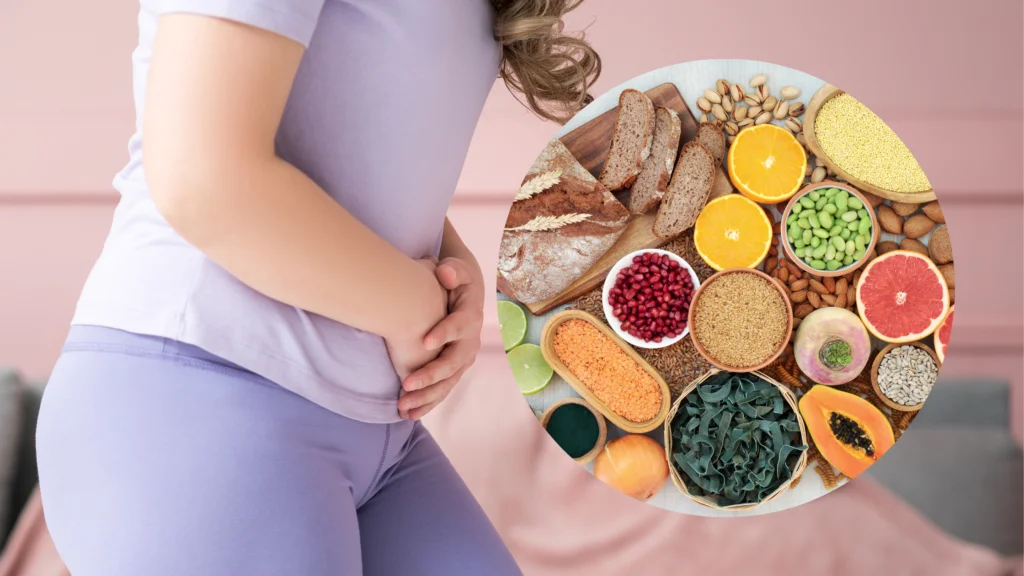
Endometriosis is often associated with painful periods, but the condition involves much more than menstrual discomfort. It is a chronic inflammatory condition that can affect the immune system, gut health, hormone balance and overall wellbeing.
Many people living with endometriosis also experience symptoms such as fatigue, heavy menstrual bleeding, bloating, digestive discomfort, IBS-like symptoms and low iron levels. These symptoms can make everyday life feel exhausting and unpredictable.
At Holistic Me, we regularly support individuals navigating these challenges and help them understand how nutrition can influence inflammation, digestion and energy levels. While nutrition cannot cure endometriosis, the right dietary approach can play an important role in managing symptoms and supporting overall health.
Small, consistent changes to your eating pattern can often help reduce inflammation, support hormone balance and improve quality of life.
Research suggests that an anti-inflammatory eating pattern, similar to the Mediterranean diet, may help support people living with endometriosis. Rather than focusing on restrictive diets or eliminating multiple foods at once, this approach centres on building meals around nourishing whole foods that support the body.
An anti-inflammatory diet for endometriosis may include:
• A wide variety of colourful vegetables and fruits
• Wholegrains and legumes that provide fibre for digestion
• Healthy fats such as olive oil, nuts and seeds
• Omega-3 rich foods including salmon, sardines, walnuts and chia seeds
• Limiting highly processed foods, frequent takeaway meals and excess alcohol
These foods can help support the body’s natural anti-inflammatory processes while providing essential nutrients needed for energy, hormone balance and overall wellbeing.
At Holistic Me, our dietitians often work with individuals to build practical and sustainable eating patterns that support symptom management without relying on strict or overwhelming food rules.
Digestive symptoms are very common for people with endometriosis. Bloating, constipation, diarrhoea and abdominal discomfort can occur due to inflammation, hormonal changes and altered gut function.
Supporting gut health can be an important part of managing endometriosis symptoms. A fibre-rich diet helps promote healthy digestion and may assist the body in removing excess oestrogen through regular bowel movements.
Foods that support gut health include:
• Probiotic foods such as yoghurt, kefir, sauerkraut and kimchi
• Prebiotic fibres found in oats, bananas, garlic, onions and legumes
• A wide variety of plant foods that nourish beneficial gut bacteria
Everyone’s digestive system responds differently, so nutrition strategies should always be individualised. At Holistic Me, our dietitians consider gut health, symptom patterns and overall nutrition when supporting people experiencing both endometriosis and digestive concerns.
It is common to see advice online recommending gluten-free, dairy-free or strict elimination diets for endometriosis. While some people may notice improvements when certain foods are reduced, long-term restrictive diets can sometimes lead to low energy intake, nutrient deficiencies and increased stress around food.
For individuals experiencing IBS-like symptoms, a short-term low FODMAP approach may help reduce digestive discomfort when guided by a qualified dietitian. However, this approach is not designed to be followed long term.
There is no single endometriosis diet that works for everyone. Your symptoms, iron levels, gut health, energy intake and lifestyle all need to be considered together when building a sustainable nutrition plan.
Working with a dietitian can help ensure that any dietary changes support your overall health while still meeting your nutritional needs.
Living with endometriosis can feel overwhelming, particularly when fatigue, pain flares or digestive symptoms affect appetite and daily routines.
Nutrition support may be helpful if you are experiencing:
• Ongoing fatigue or low energy
• Heavy menstrual bleeding or iron deficiency
• Bloating, IBS-like symptoms or digestive discomfort
• Reduced appetite during pain flare-ups
• Confusion about conflicting nutrition advice
At Holistic Me, our dietitians provide personalised, evidence-based nutrition support for people living with endometriosis. We take the time to understand your symptoms, lifestyle and health goals, and can work alongside your GP or specialist to support your overall wellbeing.
If you would like guidance on how nutrition can support your endometriosis symptoms, you can book an appointment with the Holistic Me team to explore practical strategies tailored to your needs.
Diet cannot cure endometriosis, but it may help manage symptoms. An anti-inflammatory eating pattern rich in whole foods, fibre and healthy fats may support hormone balance, reduce inflammation and improve digestive health.
Foods that may help reduce inflammation include fatty fish such as salmon and sardines, olive oil, nuts, seeds, vegetables, fruits and wholegrains. These foods provide nutrients that support the body’s natural anti-inflammatory processes.
There is no universal rule that people with endometriosis must avoid gluten or dairy. Some individuals may notice symptom improvements when certain foods are reduced, but this should be assessed individually to avoid unnecessary dietary restriction.
Gut health may influence inflammation, hormone metabolism and digestion, all of which can affect endometriosis symptoms. Supporting gut health through fibre-rich foods, plant diversity and probiotic foods may be helpful for some individuals.
If you are experiencing fatigue, digestive symptoms, iron deficiency, appetite changes during pain flare-ups or confusion about dietary advice, a dietitian can help create a personalised nutrition plan that supports your health and wellbeing.
Written by Shauna Gallant, Accredited Practising Dietitian